
Why Your Concrete Is Cracking: Cement Mixing Problems to Avoid
Table of Contents

Introduction: Concrete Cracking — What’s Really Going On
Concrete is strong — but not invincible. When mixed or handled incorrectly, it becomes vulnerable to cracking. Understanding the root causes helps you avoid structural issues or costly repairs. In this article, we’ll examine common cement‑mixing problems that lead to cracks, and show you how proper mixing and equipment can make a difference.
Common Cement Mixing Mistakes That Cause Cracks
Key issues:

Too much water in the cement mix → weaker concrete prone to shrinkage cracks. concretenetwork.com+1
Poor mix design or inconsistent proportions → uneven strength and internal stress points. Ener-Spray+1
Improper mixing technique (manual or insufficient mixing) — leads to weak bonding and internal voids.
Q: Can a simple mix error cause concrete cracks?
A: Yes — using excess water or incorrect ratio reduces concrete strength and increases shrinkage risk.
How Water/Cement Ratio Affects Concrete Strength
A correct water-to-cement ratio is crucial. Too much water increases porosity, reduces compressive strength, and leads to drying shrinkage cracks once the concrete cures. Wikipedia+1Lower water ratio (with proper workability) produces stronger, more durable concrete with less risk of cracks.
Q: What happens if concrete dries too fast after pouring?
A: Rapid drying can cause surface shrinkage, leading to “plastic shrinkage cracks.” gharpedia.com+1
Improper Curing & Environmental Factors That Trigger Cracks
Concrete curing must be gradual and controlled. If the slab is exposed to hot, dry, or windy weather, surface moisture evaporates too fast — causing cracks even if mix was correct. a1concrete.com+1
Other factors:
Lack of control joints or expansion gaps → concrete expands/contracts under temperature changes and cracks. Total Concrete+1
Soil movement or uneven subgrade — causing structural stress on concrete slab. southernremedial.com.au+1
Q: Does weather really affect concrete strength?
A: Yes — extreme heat, wind, or lack of moisture during curing can cause surface cracking and weaken overall structure.

Structural and Load Factors: When Concrete Is Overstressed
Even with good mix and curing, concrete can crack under excessive load. Overloading, heavy machinery, or uneven load distribution can exceed concrete’s tensile strength, causing cracks or even slab failure. ScienceDirect+1
Additionally, if underlying soil shifts or water undermines the foundation, settlement cracks may appear over time. The Thames Concrete+1
Q: Can cracks mean structural failure?
A: Not always — some cracks are surface-level (cosmetic), but wide or irregular cracks under load may show structural stress and should be inspected.
Prevention: Best Practices for Mixing & Pouring Concrete
To avoid cracking issues:
Use correct water-to-cement ratio — avoid excess water.
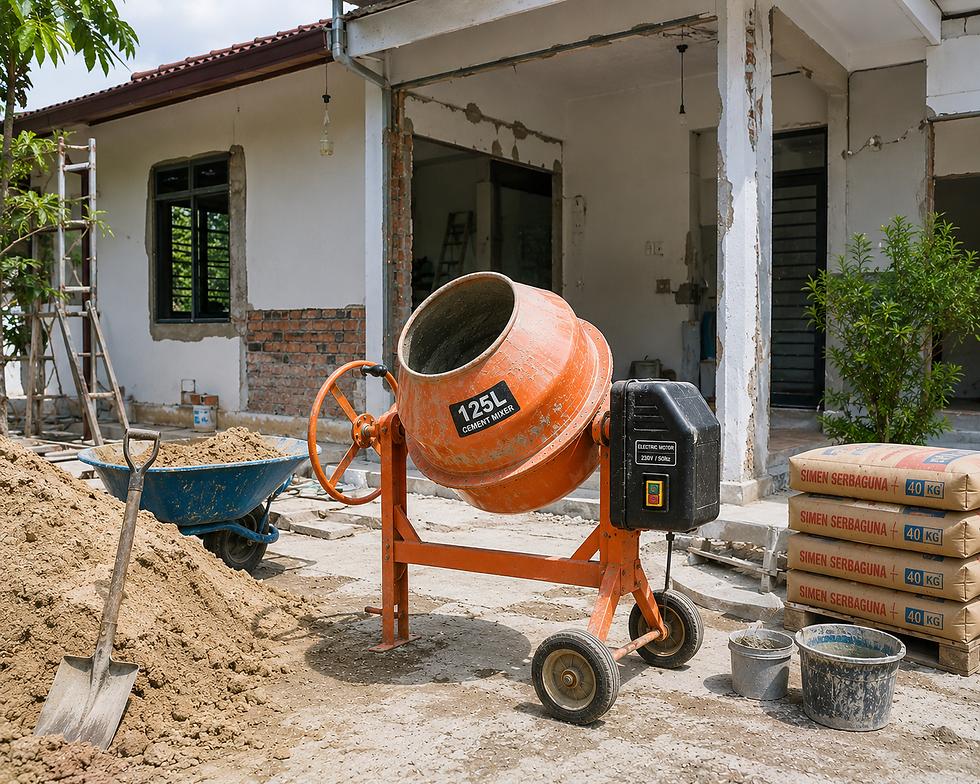
Mix thoroughly, preferably with a cement mixer machine for consistent mix.
Pour during moderate weather; avoid hot, windy, or very dry conditions.
Use control/expansion joints especially for larger slabs.
After pouring, cure properly — maintain moisture and avoid rapid drying.
Avoid overloading the slab too soon; give it time to gain strength.
Q: Is hiring a cement mixer machine worth it?

A: Yes — mechanical mixing ensures consistency, better bonding, and reduces chances of cracks compared with hand mixing.
Repairing Concrete Cracks: When and How to Fix It
Not all cracks require total replacement. Based on severity:
Hairline shrinkage cracks — can be sealed with epoxy or flexible crack filler. ScienceDirect+1
Wider structural cracks or slab faults — may need cut‑out, re‑pour, re‑leveling or re‑reinforcement.
Always address underlying issues (poor mix, soil, load, drainage) before repairing surface cracks to avoid recurrence.
Q: Can I just patch over cracks without fixing the cause?
A: You can patch, but if root issues remain (poor mix, soil movement), cracks are likely to return.
Conclusion: Mix Smart, Build Strong

Concrete cracking often traces back to poor cement mix, rushed pouring, environmental stress, or overloading. By using correct mixing proportions, proper mixing tools, proper curing, and mindful pouring practices, you can significantly reduce the risk of concrete failures. Rent a cement mixer machine to ensure consistency and strong results — because good concrete starts from the mix.
FAQ: Key Questions About Concrete Cracking
Q: Why does new concrete crack even when properly poured?
A: Due to shrinkage — as water evaporates during curing, internal stress may cause surface or hairline cracks. concretenetwork.com+1
Q: How long should I wait before loading a new concrete slab?
A: Typically at least 7–28 days (depending on cement type and weather), to allow proper curing and strength gain.
Q: Are all concrete cracks dangerous?
A: No — hairline shrinkage cracks are usually cosmetic. Bigger, wide, or uneven cracks under load or settlement may indicate structural problems.
Q: Can I prevent all cracks completely?
A: Not always, but most cracks can be minimised with correct mixing, curing, and construction practices.
Did You Know? Hidden Facts About Concrete Behavior
Concrete naturally shrinks during curing — that’s why proper water/cement ratio matters. Fascrete Concrete Repair
Rapid moisture loss (from hot or dry weather) in the first hours after pouring is one of the biggest triggers for surface cracks. gharpedia.com+1
Even well‑mixed concrete can crack over time if soil under the slab shifts or if drainage is poor — prevention is ongoing care, not just mixing. ResearchGate+1
🔧 Rent Our Cement Mixer Machine for Better Concrete Work
Want stronger, crack‑resistant concrete? Rent our professional cement mixer machines — perfect for construction, renovation, driveways or patios. Consistent mixing ensures correct water-to‑cement ratio, better bonding, and longer-lasting concrete.
Contact us today for affordable rental plans and build with confidence.

Comments