
Why Do Floor Tiles Crack? 5 Common Causes & How Cement Plays a Role
Table of Contents

Introduction
Cracked floor tiles are a common problem in many Malaysian homes and buildings. Whether you're seeing hairline cracks or full breakages, understanding the cause is the first step toward prevention and repair. This article explores the top causes of tile cracking, how cement contributes to durability, and practical steps to prevent and fix this issue.
Main Causes of Cracked Floor Tiles

Tile cracks don’t appear out of nowhere. Here are the top causes:
Poor Surface Preparation
If the subfloor isn’t properly levelled or cleaned, tiles can shift and crack over time.
Low-Quality Cement or Adhesive
Using cheap or expired cement can compromise bonding strength and flexibility, leading to cracks.
Movement in the Foundation
Settling buildings or vibration from construction can stress tile surfaces.
Improper Tile Installation
Incorrect spacing, uneven adhesive application, or not allowing enough curing time can result in cracks.
Heavy Impacts
Dropped furniture or equipment can cause immediate, visible damage.
The Role of Cement in Tile Installation
Cement acts as the backbone of your tile flooring. Here's why it matters:
Bonding Strength: Quality cement ensures strong adhesion between tile and surface.
Flexibility: Certain cement blends allow slight movements without cracking.
Moisture Resistance: Reduces tile lift and crack caused by trapped water.
Tip: Always use high-grade cement with proper mixing to ensure long-lasting tile installation.

How to Prevent Tile Cracks
Avoid future damage with these expert recommendations:
Use high-quality cement and tile adhesive
Allow proper curing time after laying cement
Ensure surface is clean and level before tile installation
Use spacers to allow tile expansion
Avoid placing heavy items too soon after installation
Repairing Cracked Floor Tiles: What You Should Know
Fixing cracked tiles isn’t always expensive or difficult.
Hairline cracks: Use epoxy or tile repair kits
Replace individual tiles: If the crack is large or deep
Check subfloor and cement condition before retiling
Seal repaired areas to prevent moisture intrusion
Pro Tip: Don't just repair the tile—fix the underlying issue.
Conclusion

Cement Quality Matters
Many tile cracks can be traced back to poor cement or installation practices. By investing in high-quality materials and proper technique, you save money and hassle in the long run. Whether you're building a new home or repairing an old floor, always start with solid cement work.
FAQ Section
Why do tiles crack after installation?
Usually due to poor subfloor preparation, low-quality cement, or environmental stress.
Can I repair cracked tiles myself?
Yes, hairline cracks can be filled with epoxy. Bigger cracks may require tile replacement.
What cement should I use for tiles?
Use tile-specific cement or adhesive, ideally a polymer-modified cement with flexibility.
How can I prevent tiles from cracking again?
Ensure proper installation techniques, use quality materials, and avoid placing heavy loads too soon.
Is cracked tile a sign of structural damage?
Not always. It could just be poor installation, but it’s worth inspecting the subfloor or foundation.
Did You Know?
Many cracked tile issues in Malaysia are due to the tropical climate and thermal expansion. Using cement that accommodates heat-induced movement can significantly extend the life of your tile flooring.
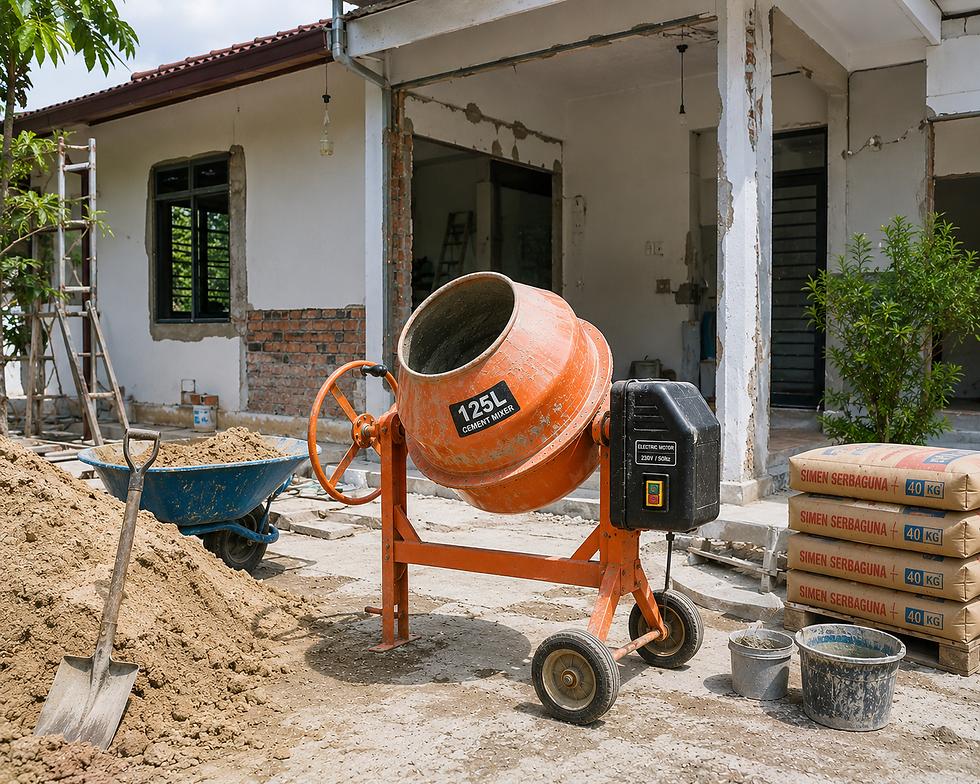
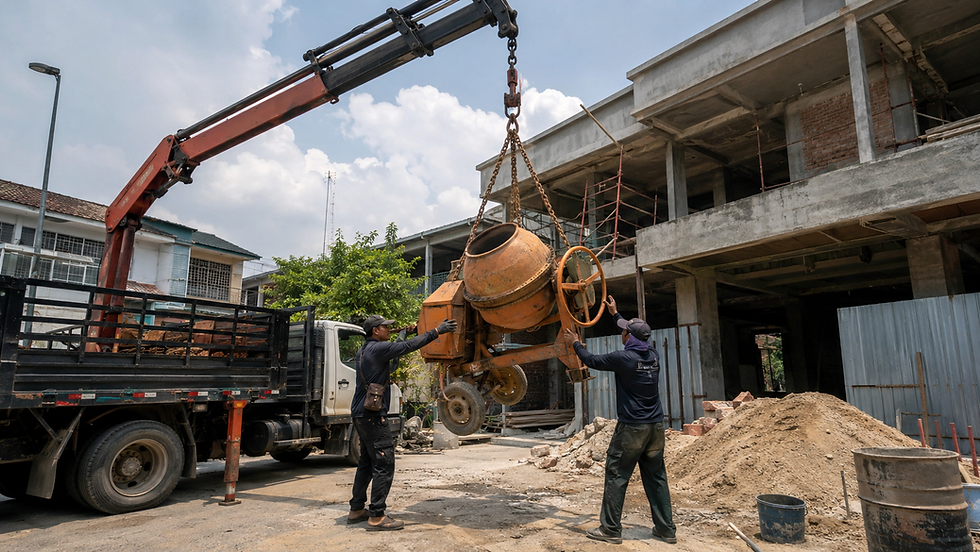
Looking to mix cement like a pro for tile installations or other construction needs? Our concrete mixer rental service in Malaysia offers affordable and efficient mixers starting from RM250/day. Perfect for:
Home renovations
Contractor jobs
Tile installations
Get the right cement mix, every time. Contact us today for more info!

Comments