
How to Use a Concrete Mixer Machine Properly: Safety & Mixing Technique Guide (2026)
Table of Contents
Introduction
If you are using a concrete mixer machine for construction, renovation, or small site work, knowing how to operate it properly is important for both safety and result quality. A mixer may look straightforward, but poor handling can lead to uneven concrete, wasted material, or even avoidable accidents. ⚠️
That is why this guide focuses on the basics that matter most: safe setup, correct loading order, better mixing technique, and common mistakes to avoid in 2026.
Why Proper Concrete Mixer Use Matters
Using a concrete mixer correctly helps with more than speed.
It also improves:
concrete consistency
worksite safety
mixing efficiency
material control
equipment lifespan
A badly used mixer can produce weak concrete, create spillage, overload the drum, or increase the chance of injury on site.

What a Concrete Mixer Machine Is Used For
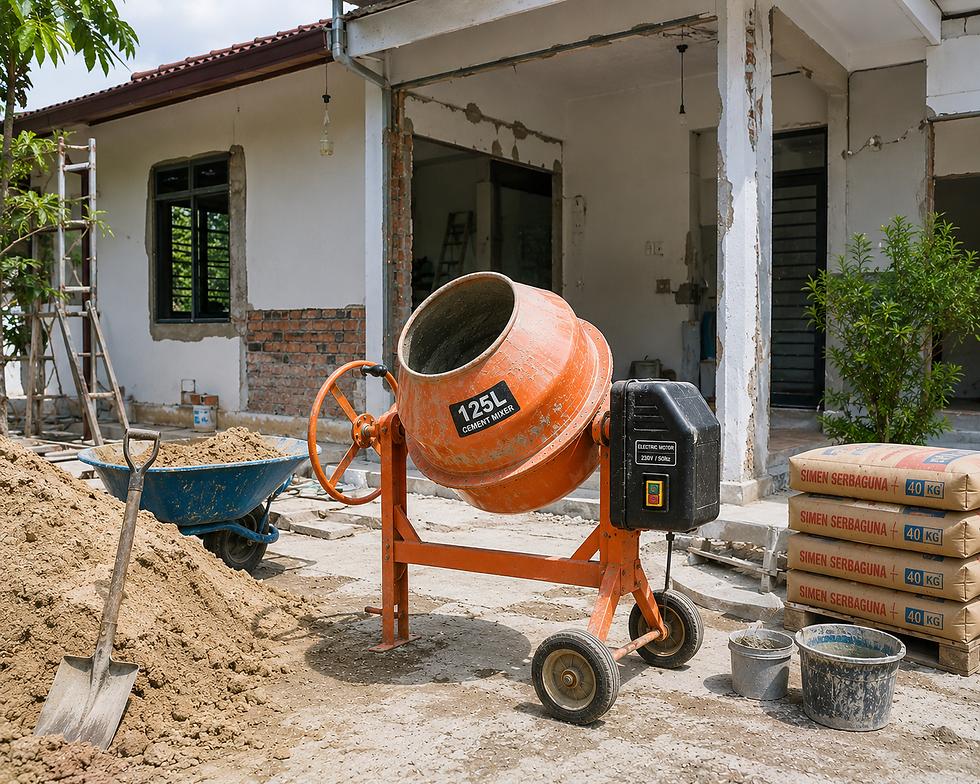
A concrete mixer machine is used to combine materials such as:
cement
sand
aggregate or stone
water
The purpose is to produce a more even and workable concrete mix than manual mixing.
It is commonly used for:
small building projects
home renovations
slab work
minor structural jobs
site repair work
Basic Safety Checks Before You Start 🦺
Before switching on the machine, inspect a few important things first.
Check:
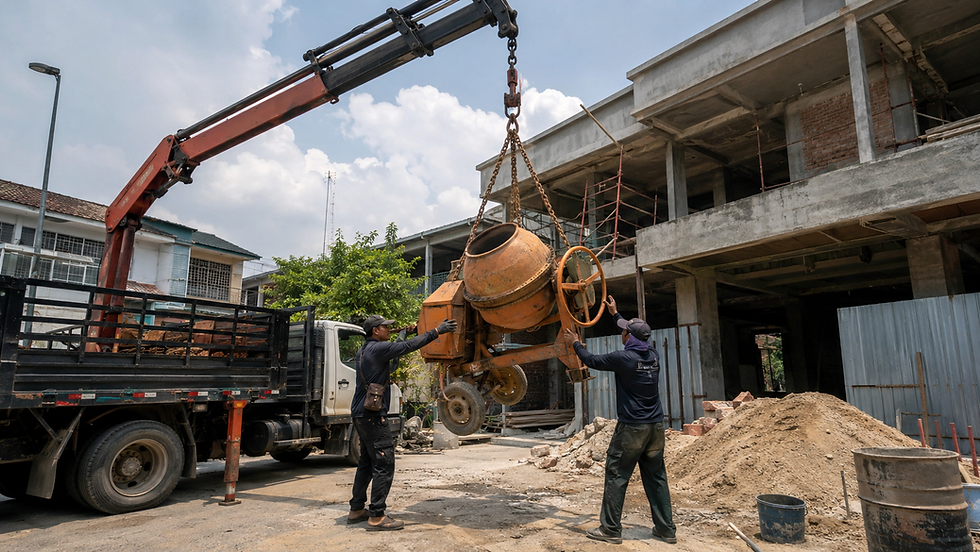
the mixer is placed on stable ground
the drum is clean and free from hardened leftover mix
the power source or engine setup is safe
moving parts and belts look secure
the work area is clear of unnecessary obstacles
protective gear is being used properly
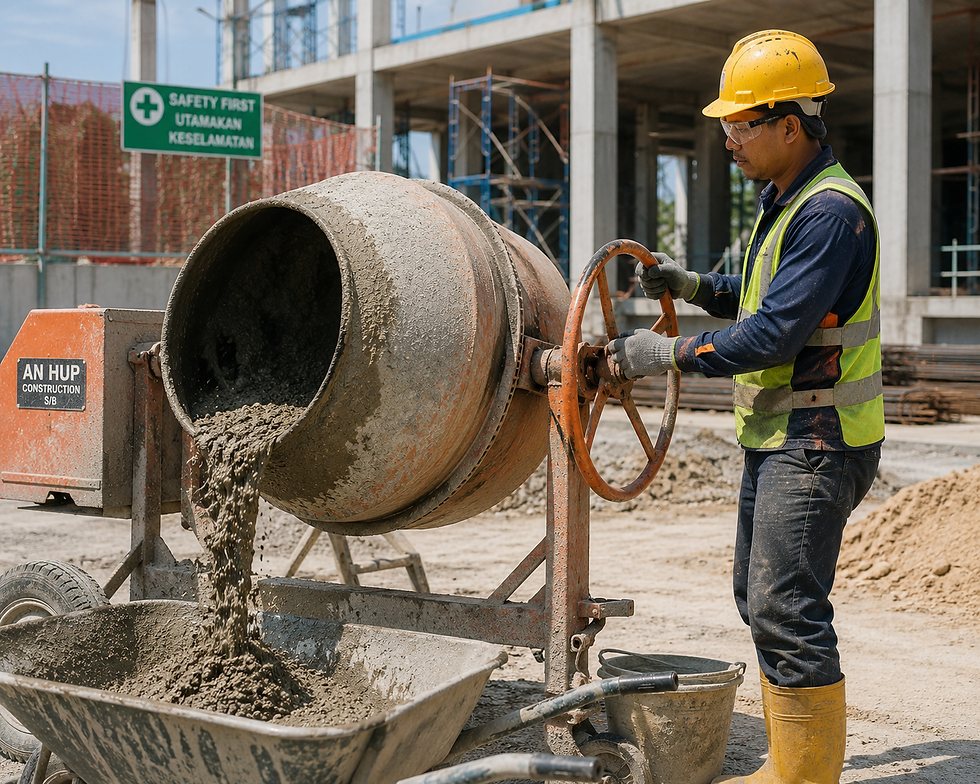
Basic PPE usually includes:
gloves
safety boots
eye protection
suitable work clothing
Never start a mixer casually if the site is slippery, unstable, or poorly organised.

How to Use a Concrete Mixer Machine Properly 🔧
1. Place the mixer on firm and level ground
This reduces vibration problems and helps the machine run more safely.
2. Start the machine before full loading
In many cases, it is safer and more effective to have the drum turning before all materials are added.
3. Add materials in a controlled order
A common practical approach is:
part of the water first
aggregate or stone
sand
cement
remaining water gradually
This helps reduce dry clumping and gives a more even mix.
4. Avoid overloading the drum
Putting in too much material at once can reduce mixing quality and strain the machine.
5. Let the machine mix properly
Do not rush the mixing time. The goal is a uniform mix, not just a drum that looks full.
6. Discharge the concrete carefully
Tilt or empty the drum safely into a wheelbarrow, tray, or prepared area. Keep hands clear of moving parts.
7. Clean the mixer after use
Do not leave concrete to harden inside the drum. Cleaning the machine early helps avoid future performance problems and damage.
Common Mixing Mistakes to Avoid ❌
Many on-site problems come from simple mistakes.
Common ones include:
adding too much water
loading materials too quickly
overloading the machine
not mixing long enough
using poor material ratios
failing to clean the drum after use
ignoring unstable ground or unsafe setup
Even small mistakes can affect both concrete strength and site safety.
Tips for Better and Safer Mixing Results 💡
For better results, try to:
use consistent material measurement
add water gradually, not all at once
keep the mixer stable during operation
avoid standing too close to moving sections
prepare the discharge area before mixing starts
clean tools and machine immediately after use
A smoother workflow usually gives safer handling and better concrete quality.

Did You Know? 🤔
A lot of weak or messy concrete jobs do not happen because the cement is bad. They happen because the mix ratio, loading order, or water amount was handled poorly during mixing. That is why machine technique matters just as much as the materials themselves.
Conclusion 📌
If you want to know cara guna mesin bancuh simen dengan betul, the main steps are simple: set the machine up safely, load materials in a sensible order, avoid overloading, and keep the mixer clean after use. When those basics are done properly, the work becomes safer, faster, and more consistent.
A concrete mixer is a useful machine, but the best results come from careful use, not rushed mixing.
FAQ ❓
1. What is the correct order to add materials into a concrete mixer?
A practical approach is part of the water first, followed by aggregate, sand, cement, and then the remaining water gradually.
2. Can I overload a concrete mixer to save time?
No. Overloading reduces mix quality and can strain the machine.
3. Why is too much water a problem?
Too much water can weaken the concrete mix and affect final quality.
4. Should I clean the mixer immediately after use?
Yes. Cleaning early helps prevent hardened concrete from damaging the drum or reducing performance.
5. What safety gear should I wear when using a mixer?
Gloves, safety boots, eye protection, and suitable work clothing are commonly recommended for safer handling.

Comments